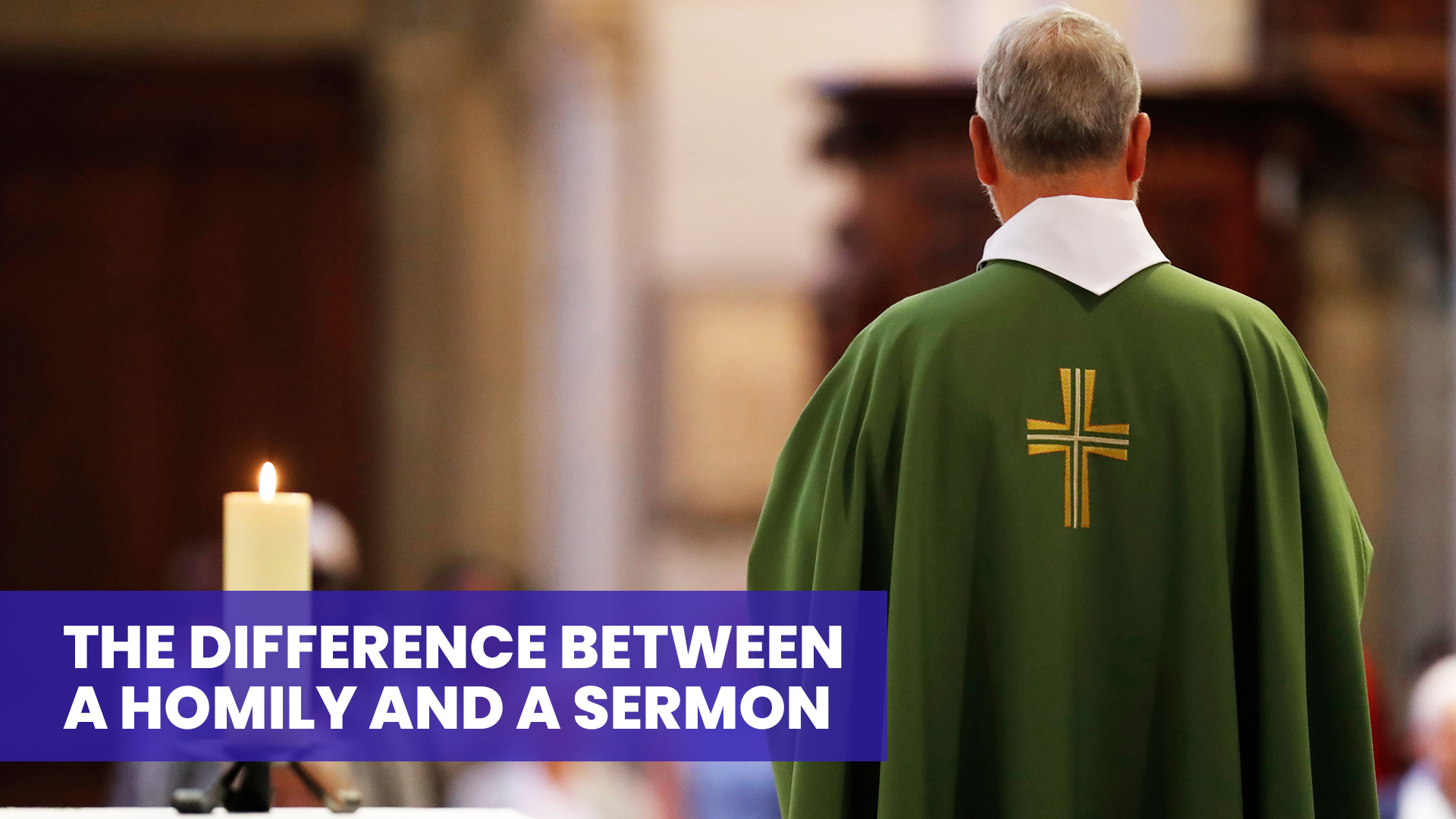
The terms homily and sermon are often used interchangeably, but they are not exactly the same. Both involve teaching and explaining God’s Word, yet they differ in purpose, structure, tradition, and context. Understanding the distinction between a homily vs sermon can help church leaders, ministry teams, and congregants better appreciate how biblical messages are delivered across Christian denominations.
While the differences may seem subtle at first, they reflect unique approaches to preaching, worship, and spiritual formation that have developed throughout church history.
What Is a Homily?
A homily is a religious reflection or explanation of Scripture that is typically delivered during a liturgical service. The word originates from the Greek term homilia, meaning conversation or discourse.
In many Catholic, Orthodox, and some Anglican traditions, a homily follows the reading of Scripture during worship. Its primary purpose is to connect the biblical passages of the day to the lives of the congregation.
Rather than exploring a broad theological topic, a homily usually focuses directly on the specific readings assigned for that service. The message tends to be shorter and closely tied to the liturgical calendar.
Characteristics of a Homily
A homily often includes:
- Reflection on the day’s Scripture readings
- Practical application for daily Christian living
- Connection to the church calendar or feast day
- Integration within the broader worship service
- A concise and focused structure
The goal is not merely to teach but to help worshippers understand how God’s Word speaks into their current circumstances.
What Is a Sermon?
A sermon is a broader form of biblical teaching that can be delivered in various Christian traditions. It often serves as the central teaching element of a worship service and may cover a wide range of topics, doctrines, biblical passages, or practical life issues.
Many Protestant churches place significant emphasis on preaching, with sermons frequently lasting longer than homilies and providing more extensive biblical exposition.
A sermon may focus on a single verse, an entire chapter, a theological concept, or a practical subject such as leadership, prayer, discipleship, stewardship, or family life.
Characteristics of a Sermon
Common features of a sermon include:
- In-depth biblical teaching
- Expository, topical, or thematic approaches
- Detailed theological explanation
- Practical life application
- Greater flexibility in structure and length
Because sermons are not necessarily tied to specific liturgical readings, pastors often have more freedom when selecting topics and planning teaching series.
Homily vs Sermon: The Main Differences
Although both forms of preaching aim to communicate biblical truth, several distinctions separate a homily from a sermon.
Purpose
A homily primarily interprets and applies the Scripture readings designated for a particular worship service. It serves as a bridge between the biblical text and the congregation’s daily lives.
A sermon, on the other hand, may have broader teaching objectives. It can explore doctrine, address cultural issues, develop a sermon series, or provide deeper biblical instruction.
Length
Homilies are generally shorter and more focused. Since they occur within a structured liturgical service, they often emphasize concise reflection rather than extensive teaching.
Sermons tend to be longer and may include multiple supporting passages, illustrations, and detailed explanations.
Structure
The structure of a homily usually follows the themes found in the day’s readings.
A sermon can follow many formats, including expository preaching through a biblical book, topical teaching, narrative storytelling, or thematic studies.
Church Tradition
The distinction between a homily vs sermon is often influenced by denominational practices.
Catholic and Orthodox churches commonly use the term “homily” because the message is integrated into the liturgy and centered on the assigned readings.
Many Protestant churches use the term “sermon” to describe the primary teaching message delivered during worship.
Similarities Between Homilies and Sermons
Despite their differences, homilies and sermons share several important characteristics.
Both seek to:
- Communicate biblical truth
- Encourage spiritual growth
- Strengthen faith within the congregation
- Apply Scripture to everyday life
- Point believers toward a deeper relationship with God
Ultimately, both forms of preaching exist to help people understand and respond to God’s Word.
Why the Difference Matters
For church leaders, understanding the distinction between a homily vs sermon helps shape expectations around preaching and worship planning.
In liturgical traditions, the homily supports the overall flow of worship and sacramental life. In many evangelical settings, the sermon often serves as the primary teaching component of the service.
Neither approach is inherently superior. Each reflects theological traditions, worship practices, and ministry priorities that have developed over centuries.
Church leaders who understand these distinctions can better communicate with diverse congregations and foster greater appreciation for different expressions of Christian worship.
The Role of Church Leadership in Preaching
Whether delivering a homily or a sermon, effective preaching requires spiritual preparation, biblical understanding, and pastoral wisdom. Teaching God’s Word remains one of the most significant responsibilities entrusted to church leaders.
Many of the responsibilities associated with preaching, discipleship, and spiritual guidance are closely connected to the broader role of pastors in today’s church. Understanding these responsibilities helps congregations appreciate the work that goes into preparing meaningful and biblically sound messages.
Homily vs Sermon: Which Is More Effective?
The question is not whether a homily or sermon is more effective, but whether it faithfully communicates Scripture and helps believers grow in their faith.
A well-delivered homily can provide powerful insight and spiritual encouragement within a liturgical setting. Likewise, a carefully prepared sermon can offer deep biblical teaching and practical guidance for Christian living.
The effectiveness of either approach depends on the faithfulness of the message, the needs of the congregation, and the work of the Holy Spirit in applying God’s Word to people’s hearts.
Homily vs Sermon: Key Takeaways
When comparing a homily vs sermon, the primary differences involve context, structure, length, and tradition. A homily is typically a shorter reflection connected to specific liturgical readings, while a sermon often provides broader biblical teaching and greater flexibility in topic and format.
Both serve an essential role in Christian worship and discipleship. Whether your church uses homilies, sermons, or a combination of both, the ultimate goal remains the same: helping people understand God’s Word and apply it faithfully in their daily lives.