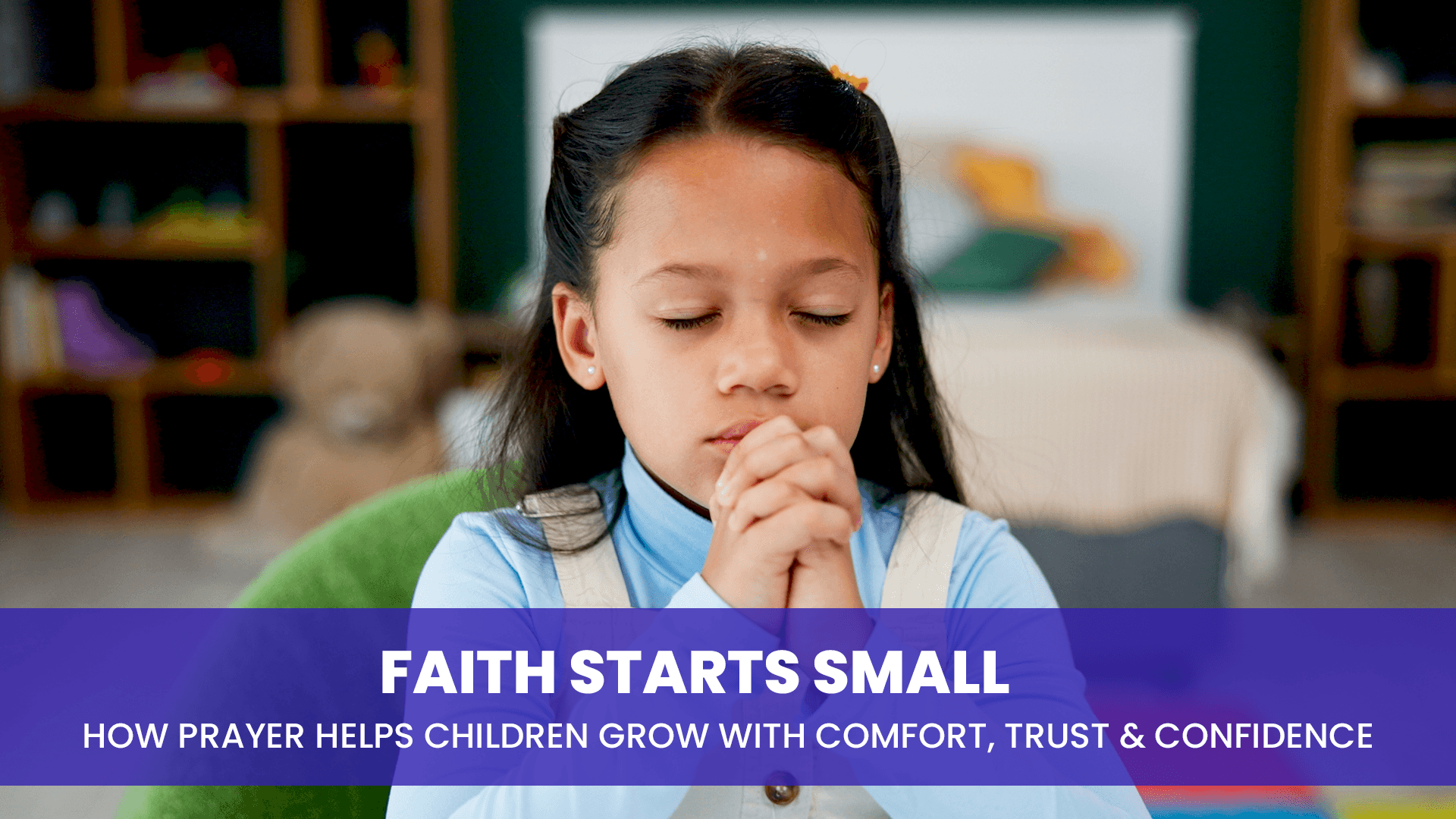
Prayer for children is more than a daily habit. It helps kids feel safe, loved, and connected to something greater than themselves. Whether it’s a bedtime prayer, a moment of gratitude before meals, or a quiet conversation with God during difficult times, prayer can become a comforting foundation throughout childhood.
Parents, churches, and faith-based communities all play a role in helping children develop a healthy prayer life. By making prayer simple, relatable, and consistent, kids can learn how to express emotions, build faith, and develop spiritual confidence from an early age.
Why Prayer for Children Matters
Children experience emotions deeply, even when they don’t always know how to explain them. Prayer gives them a safe space to share fears, hopes, gratitude, and questions. It teaches them that they are heard and valued.
For many families, prayer for children also creates moments of togetherness. Morning blessings, bedtime routines, and prayers before school encourage calmness and emotional security. Over time, these moments can strengthen both spiritual growth and family relationships.
Churches and ministries often recognize how important these habits are for young believers. Creating engaging children’s programs, Sunday school lessons, and prayer activities can help make faith feel natural rather than forced.
How to Teach Prayer to Children
Teaching children to pray does not require complicated words or long routines. In fact, simplicity often works best. Kids respond well when prayer feels conversational and genuine.
Start by encouraging short prayers about everyday life. Children can thank God for friends, ask for help at school, or pray for family members. These small moments help them understand that prayer is part of daily living.
Another effective approach is modeling prayer consistently. When children see adults praying calmly and sincerely, they are more likely to feel comfortable doing the same.
Reading Bible stories together can also inspire meaningful discussions about faith and prayer. Stories about kindness, courage, forgiveness, and trust make spiritual lessons easier for children to understand.
Bedtime Prayer for Children
Bedtime is one of the most common times families practice prayer for children. It creates a peaceful transition at the end of the day and helps children feel comforted before sleep.
A simple bedtime prayer could be:
“Dear God, thank You for today. Please watch over my family and friends. Help me sleep peacefully and wake up with joy tomorrow. Amen.”
Short prayers like this are easy for children to remember and repeat. Over time, many kids begin adding their own thoughts and feelings naturally.
Making Prayer Interactive and Fun
Children learn best through participation. Instead of turning prayer into a strict obligation, churches and parents can make it interactive and engaging.
Some ideas include:
- Prayer jars with prayer topics
- Gratitude journals for kids
- Group prayer circles in children’s ministry
- Drawing or coloring prayer activities
- Music and worship songs designed for children
Interactive prayer activities help younger children stay focused while making spiritual learning more enjoyable.
Faith communities that manage children’s ministries effectively often create stronger engagement among families. Organizing volunteers, lesson plans, and church activities becomes easier with the right systems and structure.
Encouraging Consistency Without Pressure
One mistake many adults make is expecting children to pray perfectly. Prayer should feel personal, not stressful. Some kids are naturally expressive, while others need more time to open up.
Consistency matters more than perfection. Even a few minutes of daily prayer can create long-term spiritual habits.
Parents and ministry leaders can encourage prayer by:
Creating Daily Prayer Routines
Regular moments such as bedtime, mealtime, or before school help children understand prayer as part of everyday life.
Asking Open-Ended Questions
Questions like “What would you like to thank God for today?” encourage children to think and express themselves freely.
Celebrating Spiritual Growth
Positive reinforcement helps children feel confident about participating in prayer and church activities.
The Role of Churches in Supporting Children’s Prayer
Churches have a unique opportunity to nurture faith during childhood. Sunday school classes, children’s ministries, camps, and family worship events all contribute to spiritual development.
When churches create welcoming environments for children, prayer becomes something they enjoy instead of fear. Leaders who focus on encouragement, creativity, and consistency often see stronger engagement from both children and parents.
As ministries grow, organization becomes increasingly important. Managing events, volunteers, attendance, and communication efficiently helps churches focus more on spiritual impact and less on administrative stress.
Final Thoughts on Prayer for Children
Prayer for children is not about memorizing perfect words. It’s about helping kids build trust, faith, and emotional connection through honest communication with God.
Simple routines, supportive adults, and engaging church environments can make prayer a meaningful part of a child’s life. Over time, these small moments of faith often become lifelong spiritual foundations.