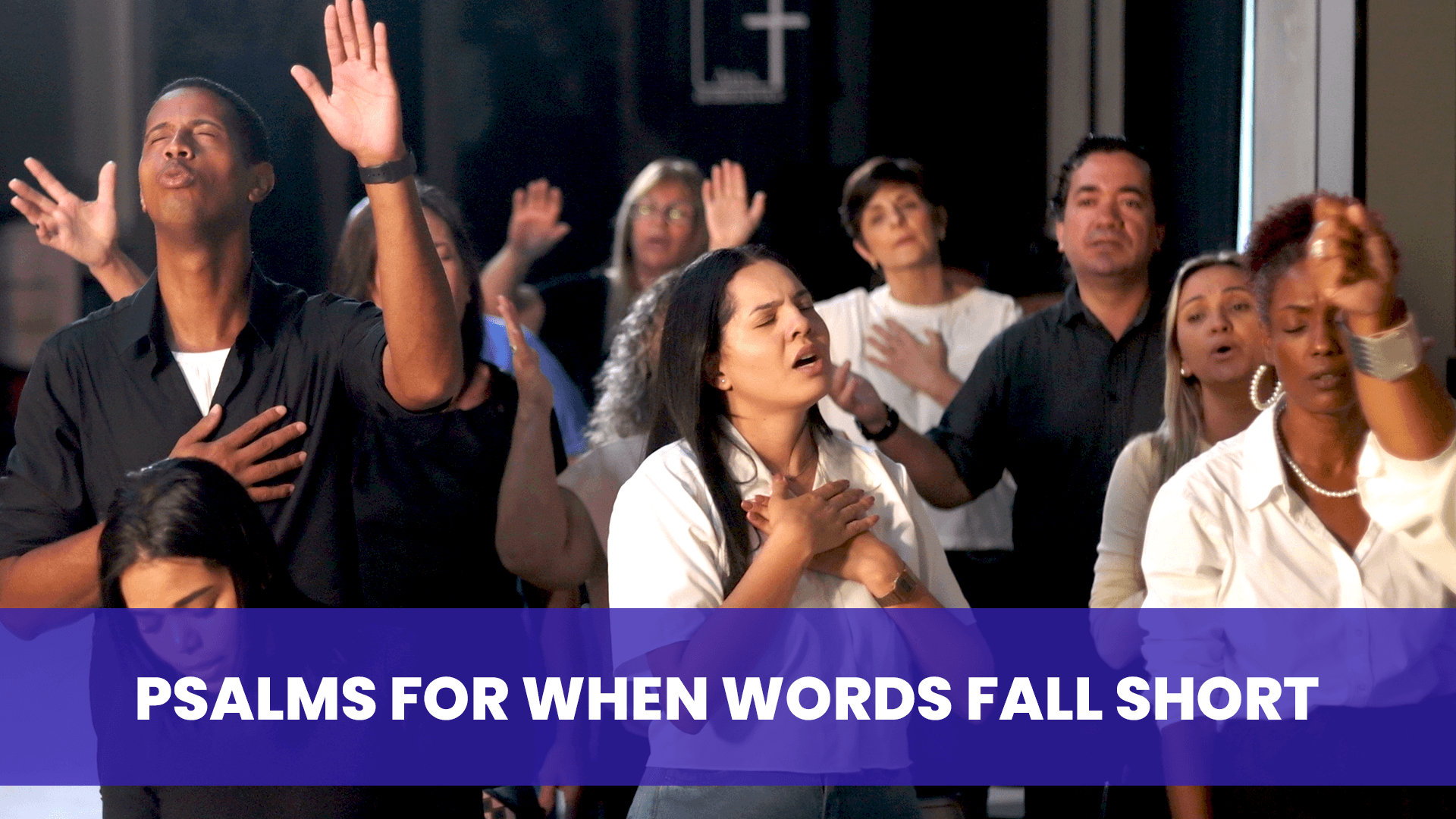
When someone is sick, grieving, or waiting on news from a doctor, words are often hard to find. Psalms for healing give people something to hold onto in that gap: language written thousands of years ago that still names pain honestly and still points toward comfort. Whether you’re praying for yourself, sitting with someone in a hospital room, or looking for the right verse to include in a card, the psalms offer some of the most direct healing language in scripture.
Why the Psalms Speak So Directly to Healing
Many of the psalms built for this moment aren’t quiet or polished. They’re laments, poems where the writer brings raw pain straight to God without softening it first. That honesty is part of why they hold up so well centuries later. A psalm that admits exhaustion, fear, or physical agony doesn’t ask a suffering person to perform hope they don’t feel yet. It gives them permission to be honest, and then walks them toward trust anyway.
Other healing psalms come from a different angle: songs of thanksgiving written after the difficulty had already passed. Those carry a different kind of comfort, less about naming pain and more about remembering that recovery has happened before and can happen again. Between the two types, most people searching for psalms for healing will find something that matches exactly where they are.
Psalms for Physical Illness and Recovery
For the exhausting middle of an illness, few passages are as direct as Psalm 6, which opens with a plea for mercy from someone whose body is in agony and whose strength is failing. It’s a psalm that doesn’t try to sound composed, which makes it useful for anyone praying through a hard stretch rather than the recovery at the end of it.
When someone is currently unwell, Psalm 41 fits naturally into prayer, describing God as one who sustains a person on their sickbed and restores them from illness.
Once healing is already underway, Psalm 103 works well as a psalm of gratitude. It’s often quoted for the line about a God who forgives sin and heals disease, tying physical restoration to a much larger picture of God’s care.
Psalms for Emotional and Heartbreak Healing
Not every kind of healing is physical, and several psalms speak directly to grief, heartbreak, and emotional exhaustion.
For someone going through loss or depression rather than illness, Psalm 34 offers a well-known assurance that God is close to the brokenhearted and saves those who are crushed in spirit.
Psalm 147 picks up a similar theme, describing God as one who heals the brokenhearted and binds up their wounds, language that treats emotional pain with the same seriousness as physical injury.
A quieter option, Psalm 25, asks God to relieve the troubles of the heart and free the psalmist from anguish. It suits someone who isn’t in crisis so much as carrying a long, tiring weight.
Psalms for Comfort While Waiting
Waiting, for test results, for a diagnosis, for someone else’s recovery, has its own kind of difficulty, and a few psalms speak specifically to that in-between space.
Psalm 27 encourages the reader to wait for the Lord, to be strong and take heart, acknowledging that waiting requires real courage rather than passive patience.
A prayer for someone who has run out of their own resources to cope, Psalm 61 asks to be led to a rock higher than the psalmist’s own strength, somewhere steadier to stand.
Read aloud in a hospital room or over the phone, Psalm 121 works especially well, since its opening question about where help comes from builds toward reassurance rather than starting with it.
No list of psalms for healing is complete without Psalm 23. It isn’t only about illness, but its imagery of walking through a dark valley with a present, protective God has made it the psalm most often read at bedsides, precisely because it doesn’t promise the difficulty will disappear, only that it won’t be walked through alone.
How to Pray Through a Healing Psalm
Reading a psalm silently and praying it are two different things. Reading it aloud, even quietly, changes how the words land, especially for someone too tired or in too much pain to form their own sentences. Swapping in a name, saying “heal her” instead of “heal me,” turns a general psalm into a specific prayer for the person in front of you.
It also helps to sit with a single verse rather than rushing through an entire psalm. Praying the first two lines of Psalm 6 slowly, pausing between them, often does more than reading all twelve verses quickly. The goal isn’t to complete the psalm; it’s to let a few honest words become a real prayer.
Sharing a Psalm With Someone Who’s Struggling
A well-chosen psalm works in a card, a text message, or a quiet moment in a hospital waiting room, but the right one depends on what the person is actually facing. Someone in the middle of a hard diagnosis often needs the honesty of Psalm 6 more than the settled gratitude of Psalm 103. Someone grieving a loss usually responds more to Psalm 34 or Psalm 147 than to a psalm about physical sickness.
This is also where a lot of pastoral care quietly falls through the cracks. A prayer request gets mentioned after a service, someone means to follow up, and a few weeks go by before anyone checks back in. Churches that keep a simple, shared record of who’s struggling and who’s already reached out tend to catch fewer people slipping through, which is really the same idea behind running the different parts of church life, including pastoral care, from one connected system instead of relying on memory and scattered notes.
Whatever psalms for healing you choose, the goal isn’t to find the perfect verse. It’s to hand someone language for a moment when they may not have their own, and to let them know they’re not carrying it alone.